
Science Against Corporate Secrecy
The SwarmJohanson, Bohrmann, Lund, and their colleagues struggle to make independent findings matter inside a system shaped by money, deadlines, and concealed risk.
increasing Bearing strength in each event
 decreasing
Bearing strength in each eventdecreasingStatoil’s Survey
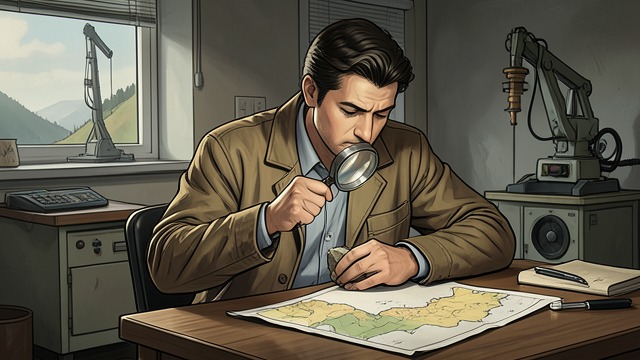
Science Serves the Project
Looking for a safe site
Tina Lund recruits Johanson to investigate organisms found on a proposed drilling slope.
The scientific work is tied from the outset to Statoil’s commercial timetable.
The Worms Refuse Classification
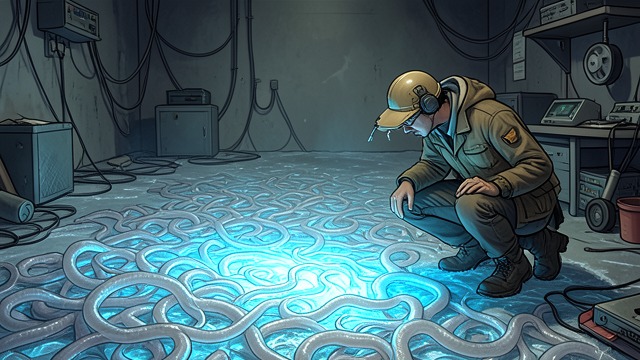
Evidence Outruns Taxonomy
A colony too large to ignore
The research team sees millions of worms covering methane hydrates and notices an unknown luminous presence.
The findings undermine confidence in the site assessment.
Scientists Debate the Risk
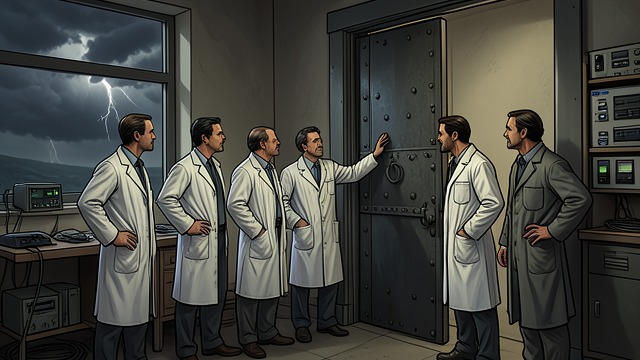
Uncertainty Becomes a Decision
Competing obligations
Researchers model worm behavior and advise caution, while Statoil’s managers weigh delay against investment.
Johanson’s recommendation helps place the project on hold.
A Blowout Kills a Researcher
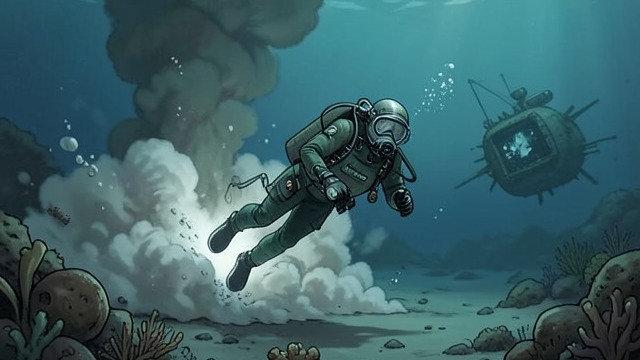
The Hazard Becomes Immediate
Deep-sea work turns deadly
The grab penetrates a hydrate layer, producing a violent methane blowout that kills a crew member.
The accident shows how poorly understood changes can defeat ordinary safety procedures.
Independent Inquiry at Risk
Knowledge Under Pressure
Who controls the facts
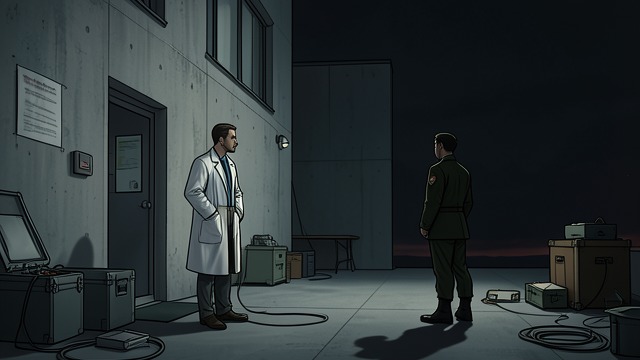
Scientific work becomes entangled with government secrecy and intelligence priorities.
The crisis raises the question of whether research can remain independent when it is funded or directed by powerful institutions.
March, before the first full investigation
mid-March, aboard the Thorvaldson
April, at GEOMAR and Statoil
22 April, during the Sonne survey
after the European catastrophe
